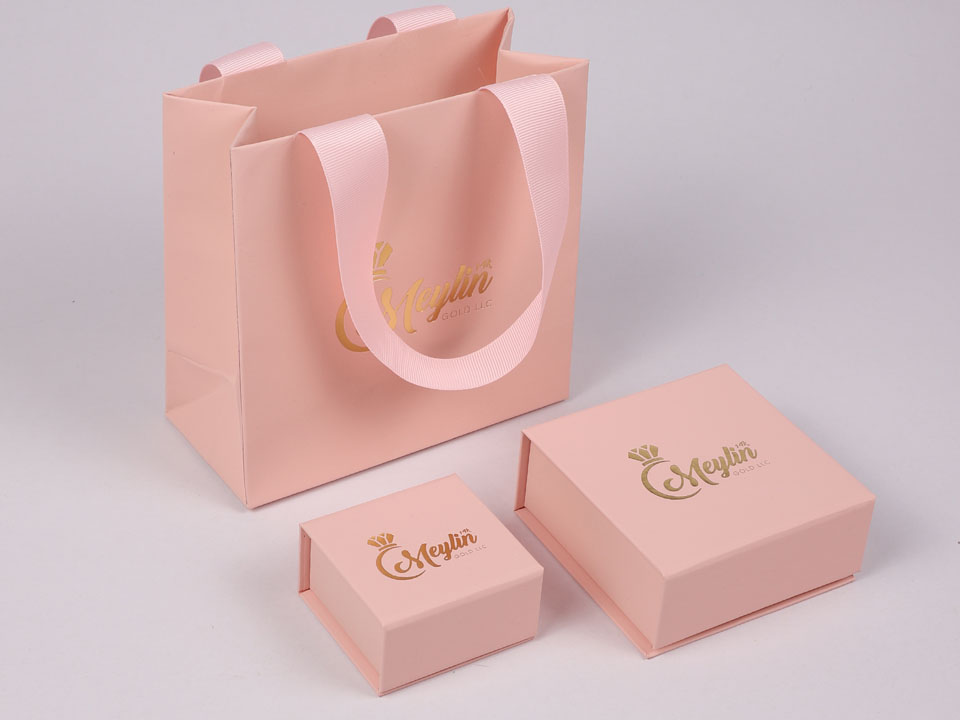
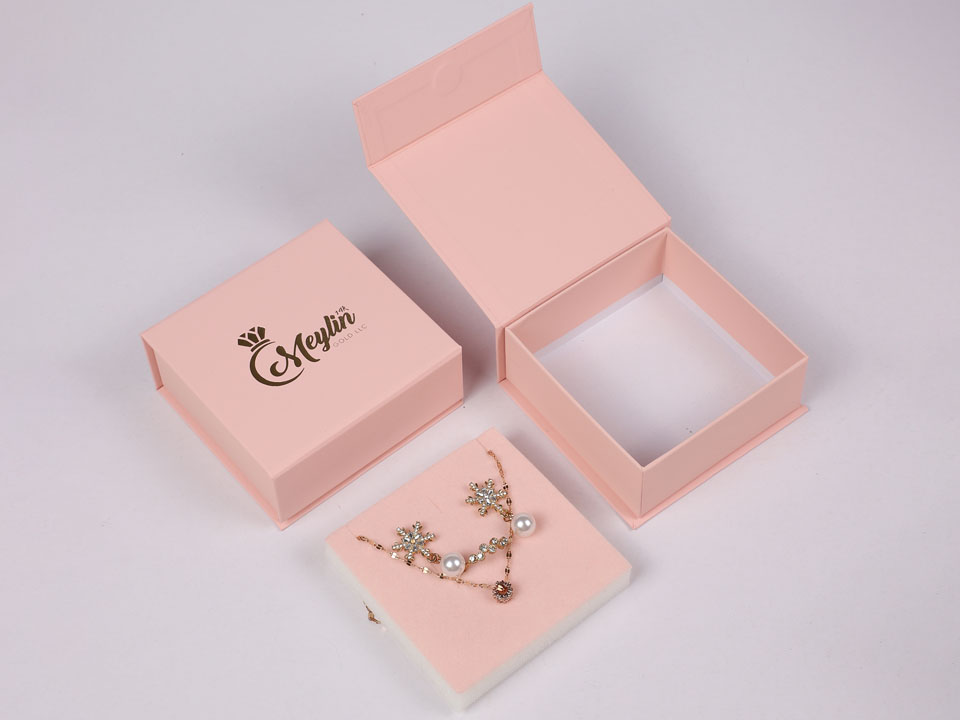
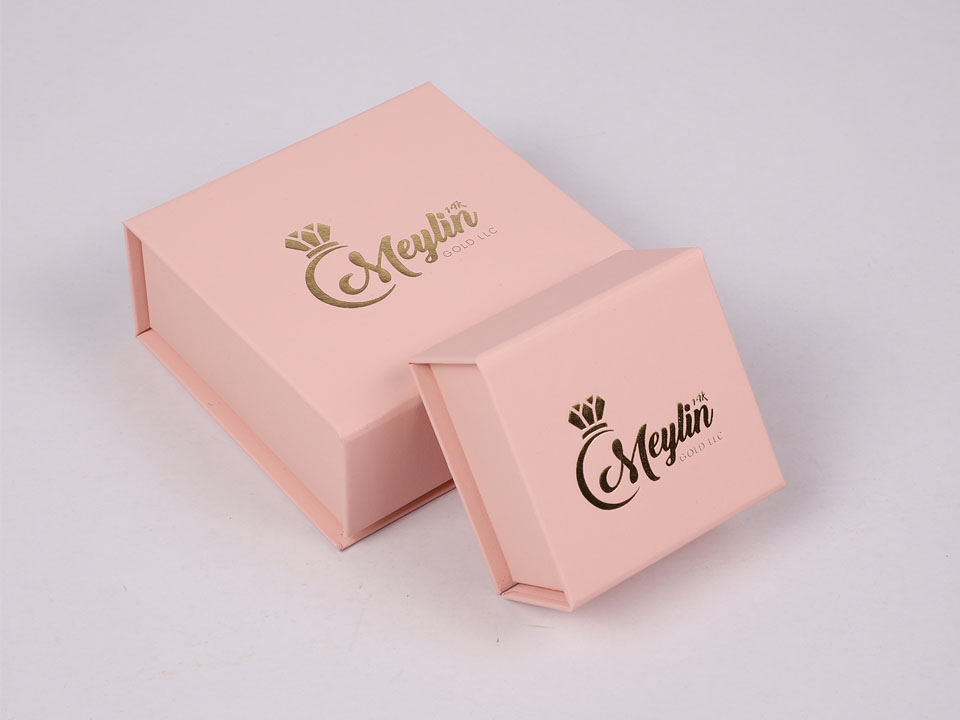
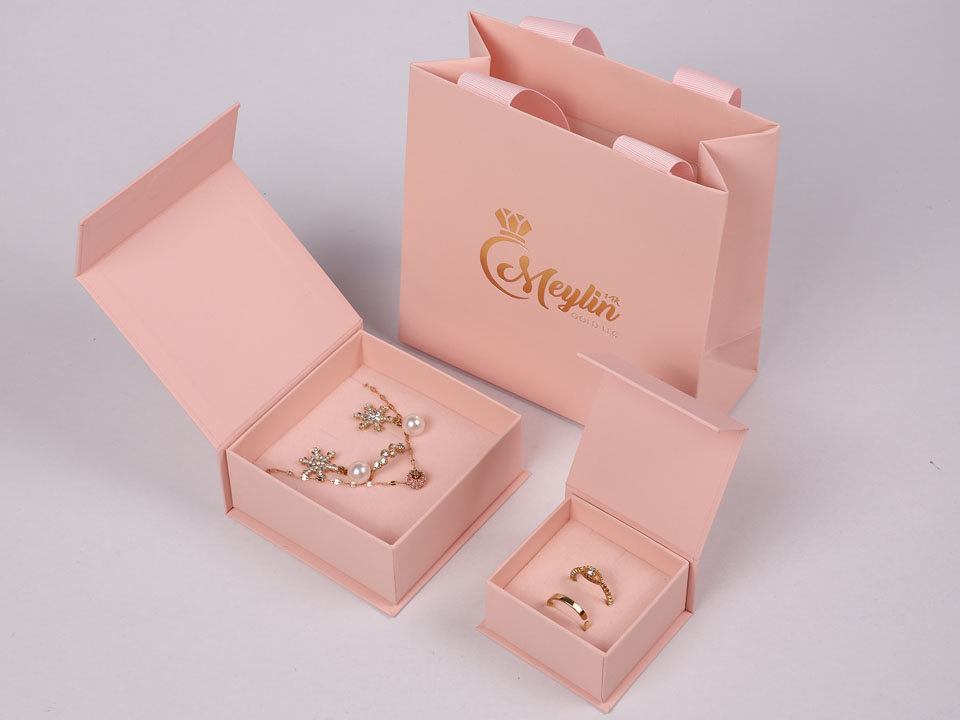
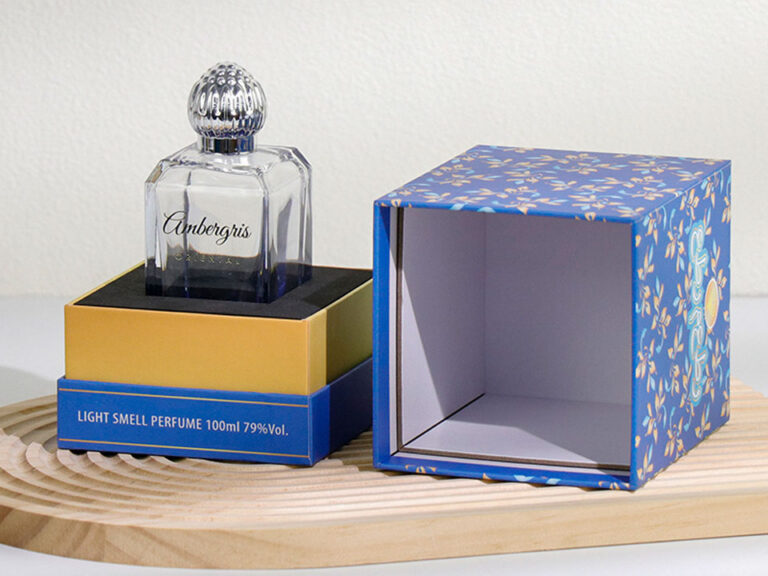
Faites-nous part de vos exigences en matière d'emballage avant votre départ. Nos experts pourront examiner votre gabarit de découpe, vos maquettes, les matériaux, les encarts, les finitions, les certifications, les quantités minimales de commande (MOQ), les contrôles qualité et vos attentes en matière de livraison.
Des coffrets à bijoux personnalisés qui rehaussent l'image de votre marque
Une boîte à bijoux a l'air inoffensive.
Ce n'est pas le cas.
La première fois qu'une petite marque de bijoux tente de passer commande boîtes à bijoux personnalisées, tout commence généralement par des questions anodines : “ Peut-on apposer notre logo sur le couvercle ? L'intérieur peut-il être en velours ? ” La boîte peut-elle donner une impression de « luxe » ? Le fournisseur revient alors avec la quantité minimale de commande (MOQ), les frais de clichés pour la dorure, l’outillage pour les encarts, l’épaisseur du carton, la quantité de cartons, l’emballage d’exportation, une estimation des frais de transport et un délai de livraison des échantillons qui, du coup, font paraître le calendrier de lancement très optimiste.
C'est à ce moment-là que l'ambiance change.
D'après mon expérience, les créateurs de bijoux sous-estiment souvent l'importance de l'emballage, car la boîte est physiquement petite. C'est une erreur. Une petite boîte peut tout de même causer de gros casse-tête opérationnels, surtout lorsque la marque propose cinq références, deux tailles de boîtes, un volume de réapprovisionnement incertain et qu'elle ne sait pas vraiment si la gamme de boucles d'oreilles en or rose se vendra mieux que l'ensemble de colliers de perles.
La boîte n'est pas un simple objet décoratif.
C'est le service des achats.
C'est avec la première commande de boîte à bijoux personnalisée que le rêve commence à s'effriter
Je me souviens avoir vu le propriétaire d'une bijouterie demander où se procurer des boîtes sur lesquelles le nom de la marque serait gravé. Une question simple. Les réponses ? Pas très glamour. Un vendeur a en gros répondu que les emballages entièrement personnalisés coûtaient cher et a suggéré d'utiliser des boîtes neutres accompagnées d'une carte de visite. Un autre a mentionné, en gros, $450 pour 300 boîtes de base estampées à chaud, frais de transport en sus, avec un nombre minimum de cas requis.
Le voilà.
Ce que personne ne met dans son tableau d'inspiration Instagram.
Ce chiffre n'est pas choquant en soi. Mais dès lors que l'on ajoute les frais de transport, le stockage des cartons, les articles endommagés, le coût des étiquettes avec le logo, le risque lié aux réapprovisionnements et les emballages invendus après un changement de couleur de la gamme de produits, la donne commence à changer. Une boîte qui semblait être une amélioration de l'image de marque peut discrètement se transformer en liquidités immobilisées, reléguées dans un coin.
Et puis il y a eu un autre sujet : le propriétaire d’une marque de bijoux souhaitait un premier lot d’environ 200 à 250 boîtes sur mesure, mais de nombreux fournisseurs continuaient à faire pression Quantité minimale de commande : 500 à 1 000 pour des boîtes sur mesure.
C'est là que réside le véritable problème.
Il ne s'agit pas de savoir si “ quelqu'un peut fabriquer une jolie boîte ”. Bien sûr que oui. La question la plus délicate est de savoir si un fournisseur est capable de produire un lot suffisant pour le lancement sans pénaliser la marque au niveau du coût unitaire, des frais d'outillage ou des délais de livraison.
Alors, quand je regarde boîtes à bijoux personnalisées, Je ne commence pas par la couleur de la feuille. Je commence par le volume. Puis la structure. Ensuite, l'insertion. Puis le transport. Et enfin, je me demande si le client va réellement garder l'objet.
La beauté, ça viendra plus tard.
L'emballage des bijoux a une influence trop importante pour être pris à la légère
Les bijoux sont minuscules. Souvent ridiculement minuscules.
Un collier pèse peut-être moins que quelques pièces de monnaie, mais le client s'attend tout de même à ce que cet achat revête un caractère personnel, émotionnel, voire solennel. C'est ce décalage — un produit minuscule, de grandes attentes émotionnelles — qui explique pourquoi emballages sur mesure pour bijoux joue dans la cour des grands.
Une chaîne en vrac dans une boîte de mauvaise qualité donne une impression de produit bon marché.
Même chaîne, même finition, même fermoir. Pourquoi ne pas le présenter dans un coffret rigide avec un insert sur mesure, un emballage en papier soigné, un logo discret et un couvercle qui ne bouge pas ? Le produit donne alors l’impression d’avoir été pensé avec soin. Il est plus facile à offrir. On a davantage l’impression qu’il a été choisi, plutôt que simplement expédié.
Est-ce de la psychologie commerciale ? Oui.
Est-ce malhonnête ? Pas si le bijou lui-même mérite ce traitement.
Selon le rapport 2025 de Bain-Altagamma sur le luxe, le marché des produits de luxe personnels a reculé à 363 milliards d'euros en 2024, en baisse 2% par rapport à 2023 aux taux de change actuels, tandis que le secteur de la joaillerie s'est montré plus résistant, enregistrant une croissance de 0% à 2% et atteindre 31 milliards d'euros. Cela ne signifie pas pour autant que toutes les petites marques de bijoux doivent se précipiter sur les coffrets rigides. Cela signifie simplement que les acheteurs restent sensibles à l’impression de durabilité, à la valeur du cadeau et à la présentation lorsque l’offre leur semble crédible. Rapport 2025 de Bain-Altagamma sur le luxe
« Crédible » est le mot clé.
Une boîte peut véhiculer une valeur. Mais elle ne peut pas la simuler indéfiniment.
Voici la dure réalité : les boîtes personnalisées peuvent nuire à l'image d'une marque
Je pense sincèrement que de nombreuses marques de bijoux optent trop tôt pour des emballages “ de luxe ”.
Voilà. C'est là que ça devient gênant.
Une bague plaquée $22 présentée dans un coffret rigide et imposant, orné d’une feuille d’or, d’un insert en velours, d’un ruban et d’un rabat magnétique, ne donne pas toujours une impression de luxe. Parfois, cela peut même paraître incohérent. Comme si la marque cherchait à tirer son prestige du coffret, parce que le produit, les photos, l’offre et le positionnement ne sont pas encore suffisamment convaincants.
Les clients remarquent ce décalage.
Peut-être pas consciemment. Mais ils le ressentent.
L'enquête 2023 de McKinsey sur l'emballage aux États-Unis a révélé que le prix, la qualité et la praticité restaient les principaux critères d'achat des produits. L'aspect de l'emballage a connu la plus forte baisse d'importance, avec une diminution de 17 points de pourcentage, et seul un tiers environ des consommateurs a déclaré que l'aspect était extrêmement ou très important. Par ailleurs, 39% ont déclaré que l'impact environnemental des emballages était extrêmement ou très important dans leurs décisions d'achat. Enquête 2023 de McKinsey sur le secteur de l'emballage aux États-Unis
Donc non, une boîte brillante ne suffira pas à redresser une économie en difficulté.
Cela ne résoudra pas le problème de la lenteur des livraisons. Cela ne résoudra pas le problème des photos de produits qui font cheap. Cela ne résoudra pas le problème d'un collier qui s'emmêle pendant le transport parce que l'emballage a été copié sur celui d'une boîte de boucles d'oreilles. Et cela ne résoudra certainement pas le problème d'une marque qui n'a pas de clientèle clairement définie.
Pour les marques en phase de démarrage, il peut être préférable d'opter pour des boîtes simples accompagnées d'une carte portant le logo estampillé, d'une pochette, d'une bande autour de la boîte, d'un autocollant ou d'un manchon en papier.
Moins sexy. Plus sensé.
La plupart des “ coffrets à bijoux de luxe ” ne sont que des boîtes en carton maquillées
Arrêtons de prétendre que toutes les boîtes rigides ornées d'un estampage à chaud sont des produits de luxe.
Certaines ne sont rien d'autre que des cartons en carton gris surdimensionnés, sur lesquels on a simplement collé une décoration métallique.
Une feuille d'or ? D'accord. Un logo en relief ? D'accord. Du papier au toucher doux ? D'accord. Mais si l'encart n'est pas bien ajusté, si le couvercle est trop lâche, si les coins se fissurent après l'emballage ou si la boîte sent la colle parce que la production a été précipitée, alors la finition n'est qu'un maquillage qui masque un problème de fabrication.
Réel boîtes à bijoux de luxe sont contrôlés.
Pas bruyant.
Le logo prend vie. L'insert maintient l'objet sans l'étouffer. La texture du papier correspond à l'esprit de la marque. Le couvercle ne racle pas. La couleur reste constante d'un lot à l'autre. Le client l'ouvre et comprend immédiatement que le produit a été soigneusement préparé, et pas simplement emballé.
C'est autre chose.
Et oui, c'est là que le savoir-faire du fournisseur fait toute la différence. Une usine d'emballage qui maîtrise l'enveloppement du carton, les angles à rainure en V, le repérage de la feuille d'aluminium, la profondeur d'insertion, le contrôle de la colle et le conditionnement en carton l'emportera généralement sur un fournisseur qui se contente de présenter de jolies photos dans son catalogue.
Les photos de catalogue mentent.
Ce n'est pas le cas de la tolérance de fabrication.
La structure d'abord. La finition ensuite. Toujours.
Les fournisseurs adorent parler des finitions, car ce sont elles qui font vendre.
Estampage à chaud. Gaufrage en creux. Gaufrage en relief. Vernis UV sélectif. Pelliculage « soft-touch ». Papier spécial. Languette en ruban. Encre métallisée. Intérieur au toucher suédé. Toutes ces petites merveilles.
Mais c'est la structure qui fait le vrai travail.
Une bague doit être maintenue en position verticale. Les boucles d’oreilles doivent être bien alignées ou placées dans des alvéoles. Un collier doit être protégé contre les enchevêtrements. Les bracelets peuvent nécessiter un coussin de rembourrage, un élastique de maintien ou une longue fente, selon leur poids et leur forme. Si les bijoux bougent à l’intérieur de la boîte, l’emballage est déjà un échec, même si le logo est magnifique.
Pour une expérience de déballage plus maîtrisée, boîtes à fermeture magnétique Cela peut très bien convenir aux colliers haut de gamme, aux bracelets, aux éditions limitées et aux coffrets cadeaux. Le geste d'ouverture semble délibéré. C'est un plus.
Mais cela coûte plus cher.
Pour une présentation classique des bijoux, boîtes à couvercle amovible restent difficiles à égaler. Ils s'empilent facilement, s'adaptent à toutes les tailles et ne font pas trop d'efforts. Pour une présentation de style boutique, boîtes à tiroirs en papier peut être excellent — à condition que le tiroir coulisse correctement.
Ce “ si ” joue un rôle crucial.
Un tiroir qui coince donne une impression de mauvaise qualité. Un tiroir qui sort trop vite donne également une impression de mauvaise qualité. Tout est une question de tolérance.
Choix du coffret par marque et par étape : la version sans fioritures
La scène des marques de bijoux
Un meilleur choix d'emballage
Risque typique
Meilleur cas d'utilisation
Premier lancement / test d'adéquation produit-marché
Boîte à bijoux unie + autocollant avec logo, carte ou pochette
Une marque peut paraître peu aboutie si son design est trop générique
Boutiques Etsy, premier lancement sur Shopify, échantillons destinés aux influenceurs
Premiers résultats / 50 à 300 commandes par mois
Lot de boîtes à bijoux ou de petites boîtes rigides avec estampage à chaud
Quantité minimale de commande (MOQ), pression et frais de transport
Marque de bijoux vendue en direct aux consommateurs (DTC) bénéficiant de commandes répétées
Collection haut de gamme / produits destinés à offrir
Boîte rigide avec insert sur mesure et sensation d'ouverture contrôlée
Une conception trop chargée, avec un excès de finitions
Coffrets cadeaux comprenant un collier, un bracelet, une bague et des boucles d'oreilles
Développement dans le secteur de la vente au détail ou en gros
Boîtes à bijoux de marque dotées d'un système de tailles harmonisé
Complexité des références et charge liée au stockage
Grands magasins, boutiques, distributeurs
Positionnement haut de gamme / gamme à forte marge
Structure sur mesure, papier haut de gamme, doublure au toucher suédé ou velours
Coûts d'outillage élevés et échantillonnage plus lent
Joaillerie haut de gamme, éditions limitées, collections de mariage
C'est souvent à ce moment-là que les fondateurs se laissent emporter par leurs émotions.
Ils achètent des emballages pour la marque qu’ils souhaitent devenir, et non pour l’entreprise qu’ils dirigent ce trimestre. Je comprends cette envie. L’emballage, c’est comme une preuve. C’est une marque de légitimité. C’est comme si la marque avait enfin “ percé ”.”
Mais les fournisseurs ne facturent pas des rêves.
Ils facturent à l'unité.
Les boîtes à bijoux vendues en gros ne devraient pas être des boîtes à bijoux standardisées
L'expression boîtes à bijoux en gros Certains trouvent ça un peu « bon marché ». Je ne vois pas les choses comme ça.
Le commerce de gros devrait être synonyme de processus reproductibles, évolutifs, maîtrisés en termes de coûts et « ennuyeux » là où il le faut. Des spécifications de cartons « ennuyeuses ». Une logique de réapprovisionnement « ennuyeuse ». Des normes de dimensions « ennuyeuses ». Des listes de contrôle qualité « ennuyeuses ». Ce genre d’« ennui » permet de faire des économies.
Un système d'emballage intelligent pour la vente en gros de bijoux peut se contenter de trois tailles de boîtes, d'une couleur principale correspondant à la marque, d'un seul type de logo et de deux types d'inserts.
Ça suffit.
En réalité, pour de nombreuses marques, c’est largement suffisant. Une marque de bijoux qui vend des bagues, des boucles d’oreilles, des colliers, des bracelets et des coffrets cadeaux n’a pas besoin de dix structures dès le premier jour. Elle a besoin d’une architecture d’emballage capable de s’adapter sans transformer l’entrepôt en musée de boîtes.
Un système « propre » pourrait utiliser :
Une ligne éditoriale visuelle
Deux ou trois tailles de boîtes de noyaux
Insérer des variantes par type de produit
Une finition principale du logo
Une méthode d'expédition sécurisée
Un plan de réapprovisionnement
Une norme d'homologation des échantillons
Un emballage simple n'est pas forcément un emballage de mauvaise qualité.
Un « packaging » faible est un packaging qui ne repose sur aucune logique opérationnelle.
La question que personne n'ose poser au fabricant de coffrets à bijoux sur mesure
Le fournisseur est-il en mesure de traiter votre commande effective ?
Pas ce chiffre bidon du genre “ on en commandera 10 000 la prochaine fois ”. Pas ce chiffre optimiste du pitch deck. Votre commande réelle.
Peut-être s'agit-il de 300 boîtes. Peut-être 500. Peut-être 1 000, réparties en trois tailles différentes, et c'est là que la discussion sur la quantité minimale de commande (MOQ) devient vite agaçante. Le fournisseur peut dire “ MOQ de 1 000 ”, mais on se rend ensuite compte que cela s'entend par taille, par couleur, par insert ou par type de logo.
Le prix change désormais.
Un vrai fabricant de coffrets à bijoux sur mesure devrait être capable d'aborder les sujets suivants : épaisseur du carton, emballage en papier, coût des plaques de pelliculage, ajustement des gabarits de découpe, matériau des encarts, conditionnement en carton, délais de livraison des échantillons et tarifs des commandes répétées, sans se retrancher derrière des termes vagues tels que “ emballage de luxe ”.
Je me soucie moins de la photo d'exemple que de la reproductibilité de la production.
Un seul bel échantillon ne prouve presque rien. La question est de savoir si les 1 000 boîtes livrées présentent une couleur homogène, des logos bien centrés, des coins impeccables, des jeux réguliers au niveau du couvercle et des inserts placés à la bonne profondeur.
La répétabilité n'a rien de prestigieux.
C'est le métier.
Le développement durable n'est plus seulement un beau slogan de marque
L'emballage des bijoux pose un problème délicat en matière de développement durable.
Le produit est petit, mais le colis peut être encombrant, plastifié, rembourré de mousse, doublé de plastique et expédié avec beaucoup trop d'air. La marque indique alors “ emballage respectueux de l'environnement ” sur la fiche produit, simplement parce que le carton d'emballage est en papier.
Allez.
Eurostat a indiqué en octobre 2025 que l'UE avait généré 79,7 millions de tonnes de déchets d'emballages en 2023, ce qui équivaut à 177,8 kg par habitant. Papier et carton composés de 40.4% de ces déchets d'emballage. Communiqué d'Eurostat sur les déchets d'emballages en 2025
Ainsi, le fait d’être “ sur papier ” ne signifie pas automatiquement que l’on agit de manière responsable.
Une boîte à bijoux rigide peut être un choix judicieux si elle est de taille adaptée, réutilisable, résistante et susceptible d'être conservée. Elle peut également constituer un gaspillage si elle est surdimensionnée, contient beaucoup de plastique, est recouverte d'un film plastifié de manière excessive et est principalement conçue pour une seule photo de déballage.
Je ne crois pas à cette idée simpliste selon laquelle « plus c'est léger, mieux c'est ».
Parfois, une boîte qui mérite d’être conservée vaut mieux qu’une boîte fragile qui finit directement à la poubelle. Mais la marque doit faire preuve d’honnêteté à ce sujet. Si le client ne compte pas la réutiliser, y ranger des bijoux ou la garder pour offrir un cadeau, alors la boîte a intérêt à justifier son existence par sa fonction de protection ou de présentation en magasin.
Sinon, ce n'est qu'un gaspillage coûteux.
Les acheteurs de produits de luxe sensibles au prix sont déjà en train de bouleverser la donne en matière d'emballage
Les acheteurs de produits de luxe n'ont pas disparu.
Ils sont simplement moins tolérants envers les valeurs médiocres.
Reuters a rapporté en décembre 2024 que les grandes marques de luxe se lançaient dans des produits dont les prix s'élevaient à $500 et inférieurs pour séduire les acheteurs de la classe moyenne en quête d'un certain statut social. Ce même rapport indiquait que les dépenses des Américains consacrées aux grandes marques de luxe avaient baissé 6% en glissement annuel en novembre 2024, d'après les données relatives aux cartes de crédit de Citi. Rapport de Reuters sur le marché du luxe de décembre 2024
Cela a de l'importance pour boîtes à bijoux de marque car les bijoux couvrent une très large fourchette de prix.
Un acheteur de boucles d’oreilles $60 peut tout de même souhaiter un déballage soigné. Mais si l’emballage oblige la marque à augmenter le prix, cet acheteur ne se souciera peut-être pas suffisamment de la boîte pour rester fidèle à la marque. Un acheteur de collier de mariée $500 ? Une psychologie différente. Une tolérance différente. Des attentes différentes.
Même catégorie.
Une logique d'emballage différente.
C’est pourquoi je n’apprécie pas les conseils généraux du type “ utilisez des emballages haut de gamme pour valoriser votre marque ”. Quelle marque ? Quel panier moyen ? Combien de références ? Quel type de client ? Quel itinéraire de transport ? Quel cycle de réapprovisionnement ? Quelle marge ?
Ce sont les détails qui font la différence.
En quoi les coffrets à bijoux personnalisés améliorent-ils la présentation de la marque ?
Les coffrets à bijoux personnalisés améliorent la présentation de la marque en donnant à un petit bijou l'impression d'avoir été choisi avec soin, d'être protégé, prêt à offrir et visuellement en adéquation avec le segment de prix de la marque, grâce à la structure du coffret, à l'ajustement des inserts, au placement du logo, à la texture du papier, au choix des couleurs et à l'expérience d'ouverture.
C'est la réponse idéale.
La réalité sur le terrain est bien plus sombre.
Un coffret met mieux en valeur les bijoux lorsque le collier ne s'emmêle pas, que les boucles d'oreilles ne bougent pas, que la bague ne s'enfonce pas dans l'insert, que le logo n'est pas estampillé à 3 mm du centre, que le couvercle ne racle pas et que le client ne sent pas l'odeur de colle en l'ouvrant.
Dans le domaine de l'emballage des bijoux, les petits défauts prennent une grande importance.
Comme le produit est petit, le client prête davantage attention à l'emballage. Un coin abîmé, un insert mal fixé, une couture mal finie ou une teinte incorrecte peuvent donner l'impression que l'ensemble de l'achat a été réalisé à la va-vite.
Et c’est pour cela que la modération l’emporte.
Un logo en feuille métallique centré vaut mieux qu'un motif trop chargé. Un insert bien ajusté vaut mieux qu'un ruban décoratif. Une bonne rigidité de la planche vaut mieux qu'un laminage brillant. Une fermeture épurée vaut mieux qu'un effet spectaculaire trop recherché.
Le coffret doit mettre en valeur les bijoux.
Ne pas entrer en concurrence avec lui.
Les meilleurs coffrets à bijoux personnalisés pour les marques de bijoux : mon classement pratique
Je classe ces produits en fonction de la logique d'approvisionnement, et non de celle des salles d'exposition.
1. Boîtes à bijoux à couvercle et socle rigides
Un grand classique qui fait ses preuves.
Une boîte rigide à couvercle et fond convient parfaitement aux bagues, boucles d’oreilles, colliers, bracelets et petits ensembles de bijoux. Elle est classique, empilable, facile à adapter en termes de dimensions et moins capricieuse que certaines structures “ créatives ” qui font très bel effet sur les rendus graphiques, mais qui sont en piteux état après le transport.
Pour les marques qui souhaitent abandonner les cartons standard, il s'agit généralement de la première étape concrète.
2. Boîtes à bijoux à fermeture magnétique
Les boîtes à fermeture magnétique ont un aspect plus moderne.
Ils créent un rythme d'ouverture agréable, en particulier pour les colliers haut de gamme, les bracelets, les coffrets cadeaux, les éditions limitées et les articles à forte marge. Mais ils sont plus lourds. Ils peuvent coûter plus cher. Ils peuvent augmenter le volume des cartons. Et si la force de l'aimant ou l'alignement du rabat n'est pas au point, l'ensemble donne très vite une impression de mauvaise qualité.
Utilisez-les lorsque la marge sur le produit justifie de faire les choses en grand.
Ce n'est pas parce qu'un concurrent les a utilisées.
3. Boîtes à bijoux à tiroirs
Les caissons à tiroirs peuvent donner un cachet « boutique ».
Ils sont parfaits pour les colliers, les bracelets et les parures qui gagnent à être dévoilés progressivement. Mais ils ne pardonnent aucune erreur. Le glissement doit donner une impression de maîtrise. Ni trop dur, ni trop lâche, ni rugueux.
Une boîte à tiroirs défectueuse est plus gênante qu’une simple boîte, car le client ressent physiquement ce défaut.
C'est là tout le problème des emballages interactifs.
Il faut que cela fonctionne bien.
4. Boîtes à bijoux pliantes
Les boîtes à bijoux pliantes sont sous-estimées.
Même si elles ne semblent pas aussi solides que les boîtes rigides, elles offrent davantage de souplesse en matière de transport, de stockage et de lancement. Pour les marques de commerce en ligne qui expédient de gros volumes, les structures pliables permettent de mieux préserver les marges que les emballages rigides et lourds.
Toutes les marques n'ont pas forcément besoin d'un « brick » en carton gris.
5. Boîtes neutres accompagnées d'accessoires à l'effigie de la marque
C'est la réponse que de nombreux fournisseurs ne mettront pas en avant.
Pour les marques de bijoux en phase de démarrage, un emballage sobre accompagné d'une carte à l'effigie de la marque, d'un autocollant, d'une pochette, d'un étui ou d'un petit lot de produits estampés à chaud peut constituer la solution la plus judicieuse. Cela permet à la marque de se présenter sous son meilleur jour tout en lui laissant la possibilité de déterminer quels produits se vendent réellement.
Ce n'est pas très glamour.
Mais pratique.
Le test « le client le garde »
Voici mon test préféré.
Le client conserverait-il le carton ?
Ne te contente pas de le prendre en photo une seule fois. Ne te contente pas de dire “ c'est mignon ”. Garde-le.
Que cette boîte soit posée sur une commode, serve à ranger des boucles d'oreilles, protège une bague, voyage dans un sac ou reste dans un tiroir pendant des années, elle a une valeur de mémorisation de la marque. Votre logo continue d'apparaître sans que vous ayez à payer pour chaque nouvelle impression.
Publicité discrète.
Si le client la jette immédiatement, l'emballage doit justifier son existence par sa fonction de protection, son efficacité pour l'expédition, sa mise en valeur en magasin ou sa présentation en tant que cadeau. S'il ne remplit aucune de ces fonctions, ce n'est qu'un coût supplémentaire orné d'un ruban.
Une boîte qui ajoute $1,20 par unité semble inoffensive. Pour 5 000 commandes, cela représente $6 000, sans compter les frais de transport, de stockage, les rebuts, les retouches, les changements d’échantillons et les emballages saisonniers devenus obsolètes.
Cet argent pourrait servir à financer la photographie des produits, les publicités, un meilleur placage, de nouveaux échantillons, des pierres de meilleure qualité, un traitement plus rapide des commandes et des pages d'accueil plus efficaces.
Alors oui, les coffrets à bijoux personnalisés peuvent rehausser l'image d'une marque.
Mais seulement s'ils se comportent comme un atout.
Ce n'est pas un déguisement.
Foire aux questions
Qu'est-ce qu'un coffret à bijoux personnalisé ?
Les coffrets à bijoux personnalisés sont des emballages de marque conçus pour les bagues, colliers, boucles d'oreilles, bracelets ou parures de bijoux. Ils intègrent des structures, des inserts, des matériaux, des finitions de logo, des couleurs et des systèmes d'ouverture spécifiques afin de protéger ces produits fragiles tout en renforçant leur valeur perçue, en améliorant la présentation des cadeaux et en favorisant la reconnaissance de la marque.
Elles peuvent se présenter sous forme de coffrets rigides à couvercle et socle, de coffrets à fermeture magnétique, de coffrets à tiroir, de boîtes pliantes ou de coffrets compacts en carton. Le choix approprié dépend du type de bijoux, du prix de vente, de la quantité minimale de commande (MOQ), du style de l'insert, du mode d'expédition, ainsi que du canal de distribution utilisé par la marque : commerce en ligne, vente en gros, vente au détail ou campagnes de cadeaux.
En quoi les coffrets à bijoux personnalisés améliorent-ils la mise en valeur de la marque ?
Les coffrets à bijoux personnalisés améliorent la présentation de la marque en transformant un petit bijou en une expérience de marque à part entière, où la structure du coffret, l’ajustement des inserts, le placement du logo, la texture du papier, la sensation à l’ouverture et la palette de couleurs contribuent à donner au produit un aspect plus soigné, prêt à offrir, bien protégé et en adéquation avec son niveau de prix.
Il n'est pas nécessaire de surcharger la boîte d'effets visuels. En réalité, un emballage plus épuré fait souvent meilleure impression : logo centré, couvercle parfaitement ajusté, profondeur des inserts bien maîtrisée, couleur de papier homogène et absence de bruit à l'intérieur de la boîte.
Les coffrets à bijoux de luxe sont-ils rentables pour les petites marques ?
Les coffrets à bijoux de luxe ne sont rentables pour les petites marques que si la marge sur les produits, les attentes des clients, le volume des commandes et le plan de réapprovisionnement permettent de supporter le coût unitaire plus élevé, la quantité minimale de commande, les frais d'échantillonnage, les coûts d'outillage, l'espace de stockage et le poids des marchandises sans nuire à la trésorerie.
Pour un premier lancement, opter pour une stratégie de marque plus simple peut s'avérer plus judicieux. Une boîte à bijoux sobre, accompagnée d'une pochette personnalisée, d'un autocollant, d'une bande de présentation, d'une carte à l'effigie de la marque ou d'un tirage limité avec estampage à chaud, peut donner une image soignée sans obliger l'entreprise à acheter trop d'emballages trop tôt.
Quel est le meilleur matériau pour les coffrets à bijoux de marque ?
Le meilleur matériau pour les coffrets à bijoux de marque est généralement du carton rigide recouvert de papier d'art, de papier kraft, de papier texturé ou de papier spécial, associé à un insert sur mesure tel que du velours, un tissu au toucher daim, de la mousse EVA, du carton, de la pâte moulée ou un rembourrage recouvert de tissu.
Le carton rigide assure la structure de la boîte. L'insert sert à la mise en valeur du produit. Le velours donne une impression haut de gamme, le carton offre un aspect plus épuré et est plus facilement recyclable, tandis que l'EVA maintient fermement les produits — mais chaque matériau a une incidence sur le coût, l'aspect et les arguments en matière de développement durable.
À quelle quantité minimale de commande (MOQ) les marques de bijoux doivent-elles s'attendre pour des emballages sur mesure ?
Les marques de bijoux doivent s'attendre à ce que la quantité minimale de commande (QMC) pour les emballages de bijoux sur mesure dépende de la structure, du matériau, du procédé d'apposition du logo, du type d'insert et de la configuration du fournisseur. De nombreuses boîtes entièrement personnalisées sont proposées à partir de plusieurs centaines jusqu'à 1 000 pièces, tandis que les boîtes plus simples, estampées ou semi-personnalisées, peuvent être commandées en quantités minimales inférieures.
Renseignez-vous sur la quantité minimale de commande (MOQ) en fonction de la taille, et pas uniquement du volume total de la commande. Un fournisseur peut accepter une commande totale de 1 000 boîtes, mais exiger tout de même des quantités minimales pour chaque taille de boîte, couleur de papier, type d'encart, méthode d'impression du logo ou lot de production.
Les marques de bijoux devraient-elles opter pour des boîtes à fermeture magnétique ou pour des boîtes à couvercle amovible ?
Les marques de bijoux devraient opter pour des boîtes à fermeture magnétique lorsqu'elles souhaitent offrir une expérience d'ouverture moderne et haut de gamme, tandis que les boîtes à couvercle amovible conviennent généralement mieux à la présentation classique des bijoux, car elles facilitent l'empilage, permettent une utilisation plus large des références, sont moins complexes et offrent un meilleur contrôle des systèmes d'emballage en gros.
Les coffrets magnétiques apportent davantage de spectaculaire, mais ils peuvent augmenter le coût et le poids. Les coffrets à couvercle amovible offrent davantage de sécurité lors de la mise à l'échelle. Les coffrets à tiroir sont utiles lorsque la marque souhaite créer un effet de dévoilement « boutique », mais uniquement si la tolérance de coulissement est correctement maîtrisée lors de la fabrication.
Les prochaines étapes
Ne commencez pas par le papier d'aluminium.
Commencez par les questions un peu ennuyeuses : prix du produit, nombre de références, volume mensuel de commandes, clientèle cible, espace de stockage, besoins en matière d'emballage, mode de livraison, fréquence des réapprovisionnements, et si le client est susceptible de conserver le carton.
Choisissez ensuite la structure.
Si vous vendez des bijoux à forte marge, mettez en place un système d’emballage de marque adapté, avec des inserts sur mesure, un placement soigné du logo, des couleurs harmonisées et une boîte que le client aura envie de conserver. Si vous en êtes encore à tester l’adéquation produit-marché, optez pour une solution simple : une boîte standard, une pochette à l’effigie de la marque, une carte estampillée, un autocollant, un fourreau ou une petite série estampée à chaud.
Ce n'est pas une façon de penser mesquine.
C'est une façon de penser axée sur la survie.
Lorsque vous serez prêt à commander des emballages sur mesure pour vos bijoux, comparez les boîtes à couvercle et socle rigides, les boîtes à fermeture magnétique, les boîtes à tiroirs et les boîtes à bijoux pliables avant de valider le design final. Renseignez-vous sur la quantité minimale de commande (MOQ), le coût des échantillons, les options d'inserts, les délais de production, l'estimation des frais de transport, l'emballage en cartons et les tarifs pour les commandes suivantes.
C'est comme ça que boîtes à bijoux personnalisées Rehaussez l'image de votre marque sans pour autant entamer discrètement votre marge bénéficiaire.